
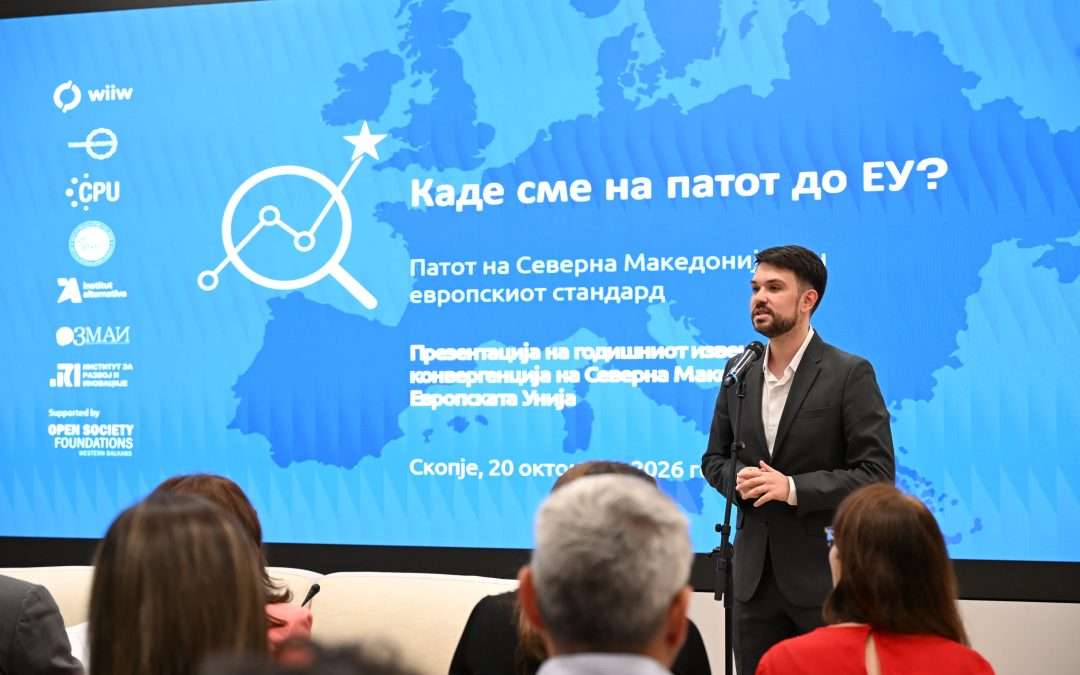
How close are we to European living standards, and what is needed to reach them faster? This was the central question of the event “Where Do We Stand on the Road to the EU? The Path to European Living Standards in North Macedonia,” organized by the Association for Research and Analysis ZMAI on October 20, 2026, in Skopje, as part of the regional Converge2EU initiative.
The event featured the presentation of the second edition of the Annual Convergence Report for North Macedonia, which monitors progress toward the European Union across eight key areas: economy, social well-being, health care, education, governance, environment, digitalization, and infrastructure.
The report reveals that North Macedonia has reached 64% of the average level of well-being in the EU. If the average pace of convergence recorded over the past five years continues, it would take another 52 years to reach the EU average. Moreover, the overall indicator declined slightly by 0.1 percentage point in 2025, suggesting that progress remains neither sufficiently rapid nor evenly distributed.
Where Are We Making Progress, and Where Are We Falling Behind?
The findings reveal significant disparities across the different areas. Health care is closest to the EU average, at 80.3%, followed by digitalization at 77.3% and governance at 72%. Education stands at 67.1%, while social well-being reaches 62.2% of the EU level.
The greatest challenges remain in infrastructure, which stands at just 43.4% of the EU average, followed by the environment at 54.2% and the economy at 55.9%.
In 2025, progress was recorded in four of the eight areas, while the remaining four experienced a decline. The strongest improvements were observed in the economy and governance, whereas the most pronounced setbacks occurred in health care, digitalization, and education.
The analysis also highlights important structural challenges. Although the average gross wage, adjusted for purchasing power, has reached approximately 64% of the EU average, productivity per worker stands at just 54% and has remained virtually stagnant. This indicates that income growth has not been accompanied by a corresponding increase in productivity.
Similar disparities are evident in public services. Despite the development of the private ICT sector, the use of digital public services reaches only 36% of the EU level. Meanwhile, citizens directly cover 39.6% of total health expenditures through out-of-pocket payments, representing a substantial financial burden on households.
From a regional perspective, North Macedonia, at 64%, ranks behind Montenegro (69%) and Serbia (67%), but ahead of Albania (61%), Bosnia and Herzegovina (57%), and Kosovo (54%).
Can European Integration Accelerate Convergence?
In addition to monitoring progress, the Converge2EU initiative examines four alternative scenarios for European integration: full EU membership, access to the EU budget, access to the EU single market, and the implementation of institutional reforms.
Model-based estimates indicate that different forms of integration can significantly influence the pace of economic convergence.
Under the GDP per capita scenario, if current trends continue, North Macedonia would need more than 100 years to reach the EU average. Full EU membership could reduce this period to approximately 50 years. Access to the EU budget alone would shorten the period to 84 years, while access to the single market alone would reduce it to 85 years.
These scenarios do not represent guaranteed timelines but rather model-based projections illustrating how different policies and forms of integration could influence economic development.
We Undertake Reforms for Citizens, Not for Brussels
The findings of the regional and national analyses were presented by Ana Milinković of the Vienna Institute for International Economic Studies (wiiw), Sabina Lange of Think Europe, and Viktor Mitevski, Executive Director of ZMAI and author of the national report.
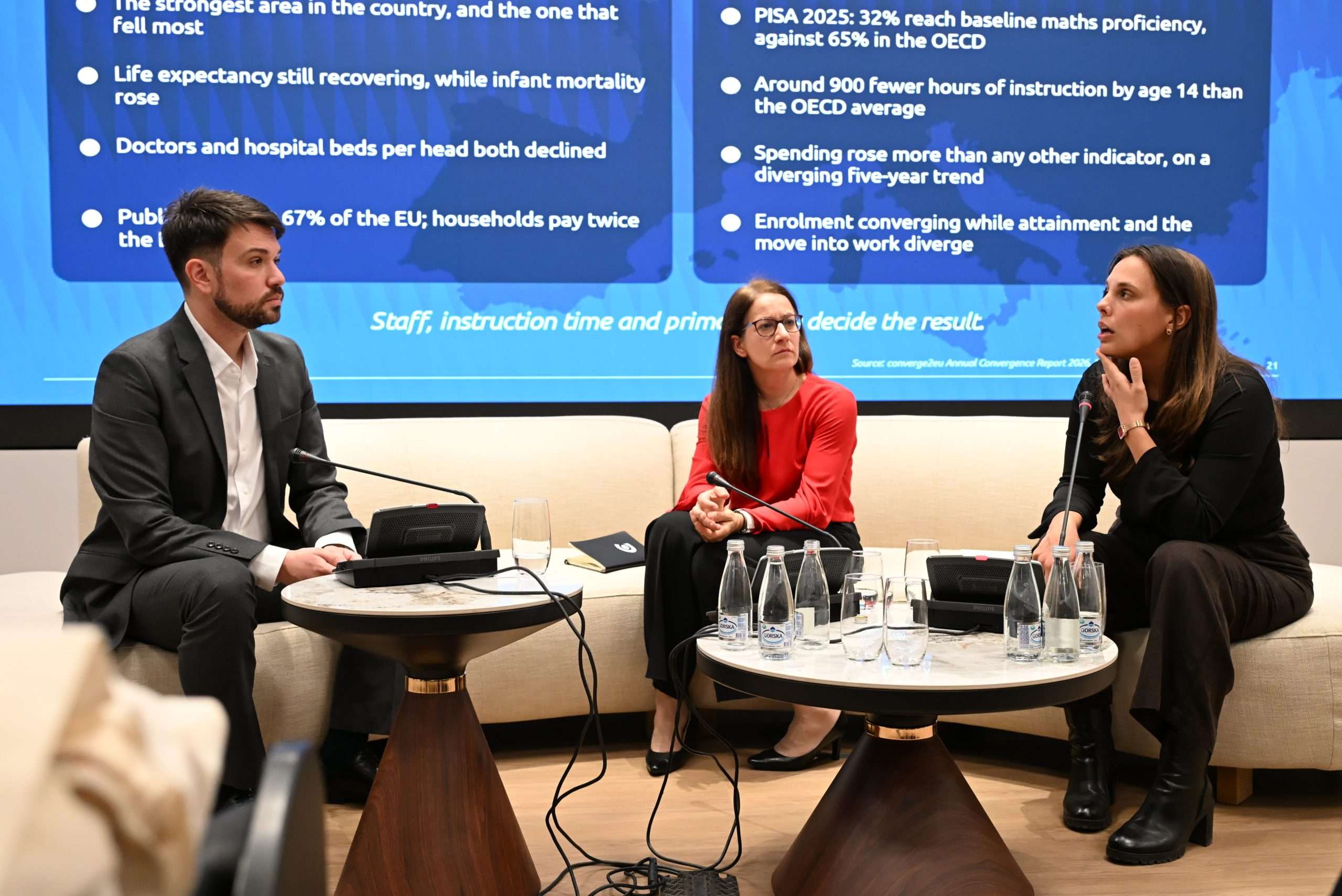
“We must not measure European integration solely by the number of laws adopted, nor economic success solely by higher wages. We undertake reforms not for Brussels, but for citizens. To achieve European living standards, we need higher productivity, public services that work, and institutions that deliver results. The responsibility for domestic reforms lies with us, while we expect the EU to offer a credible membership perspective and tangible benefits from integration even before accession,” emphasized Viktor Mitevski.
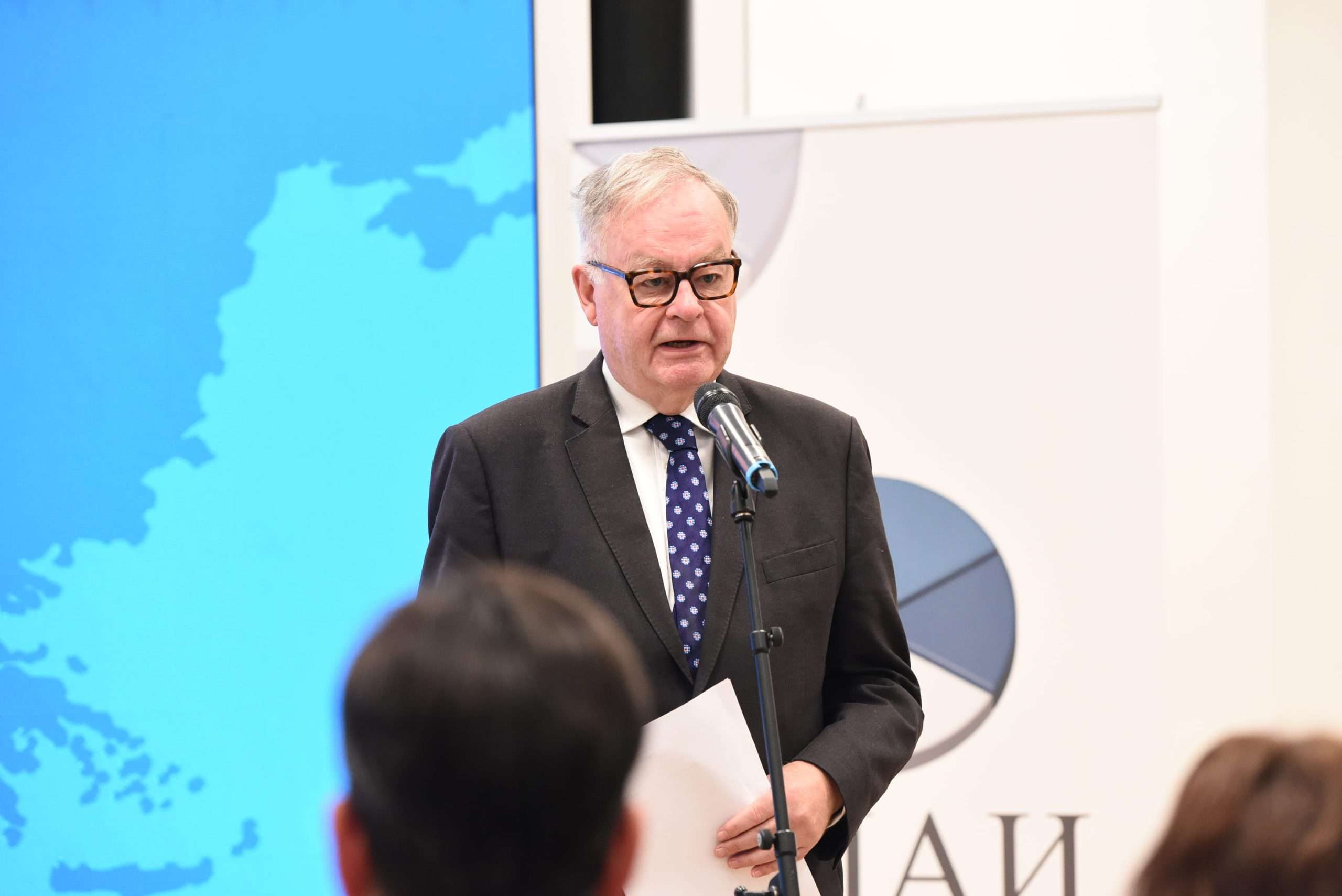
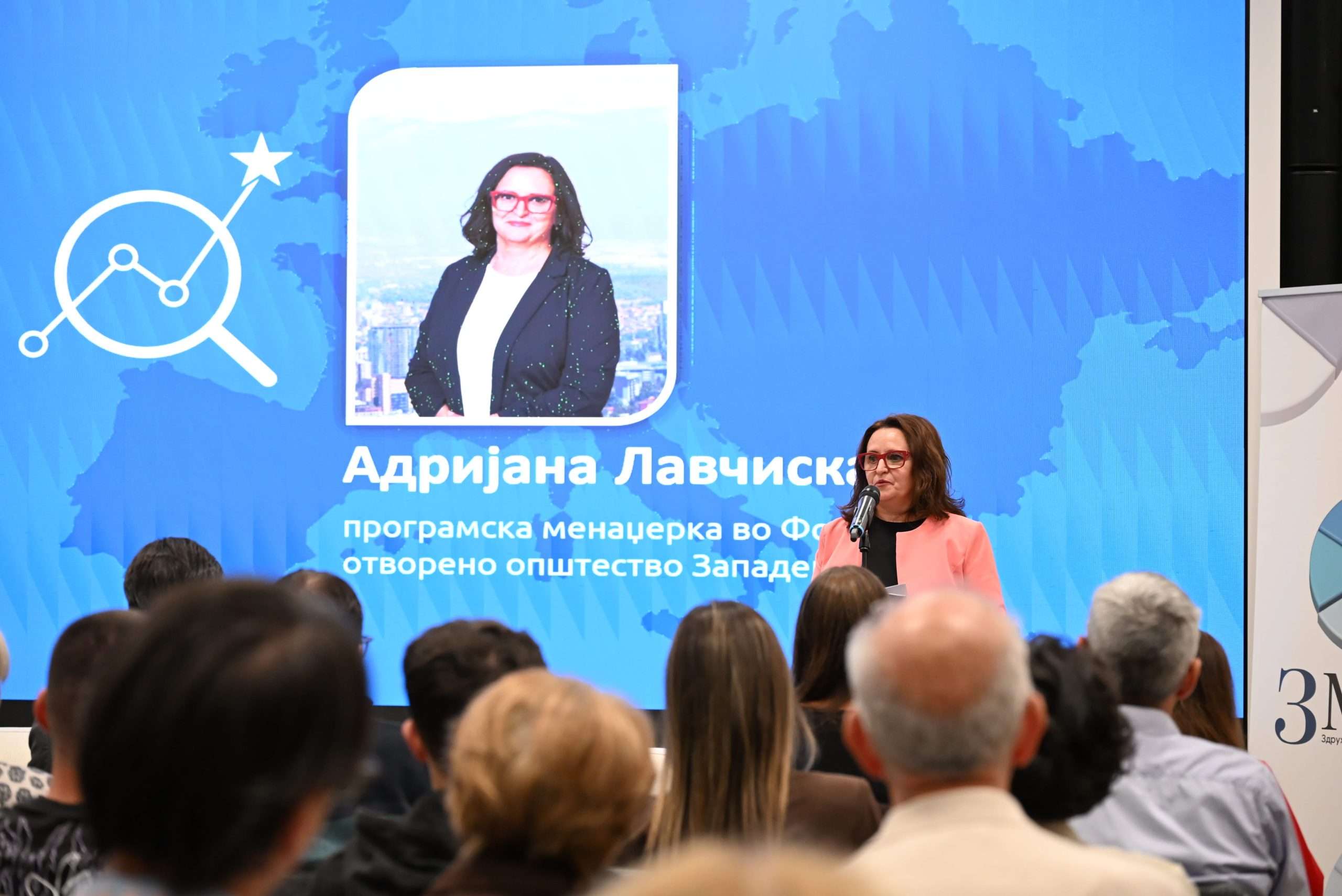
The event also featured addresses by Michalis Rokas, Ambassador of the European Union to North Macedonia, Brendan Ward, Ambassador of Ireland to North Macedonia, and Adriana Lavchiska of the Open Society Foundations – Western Balkans.
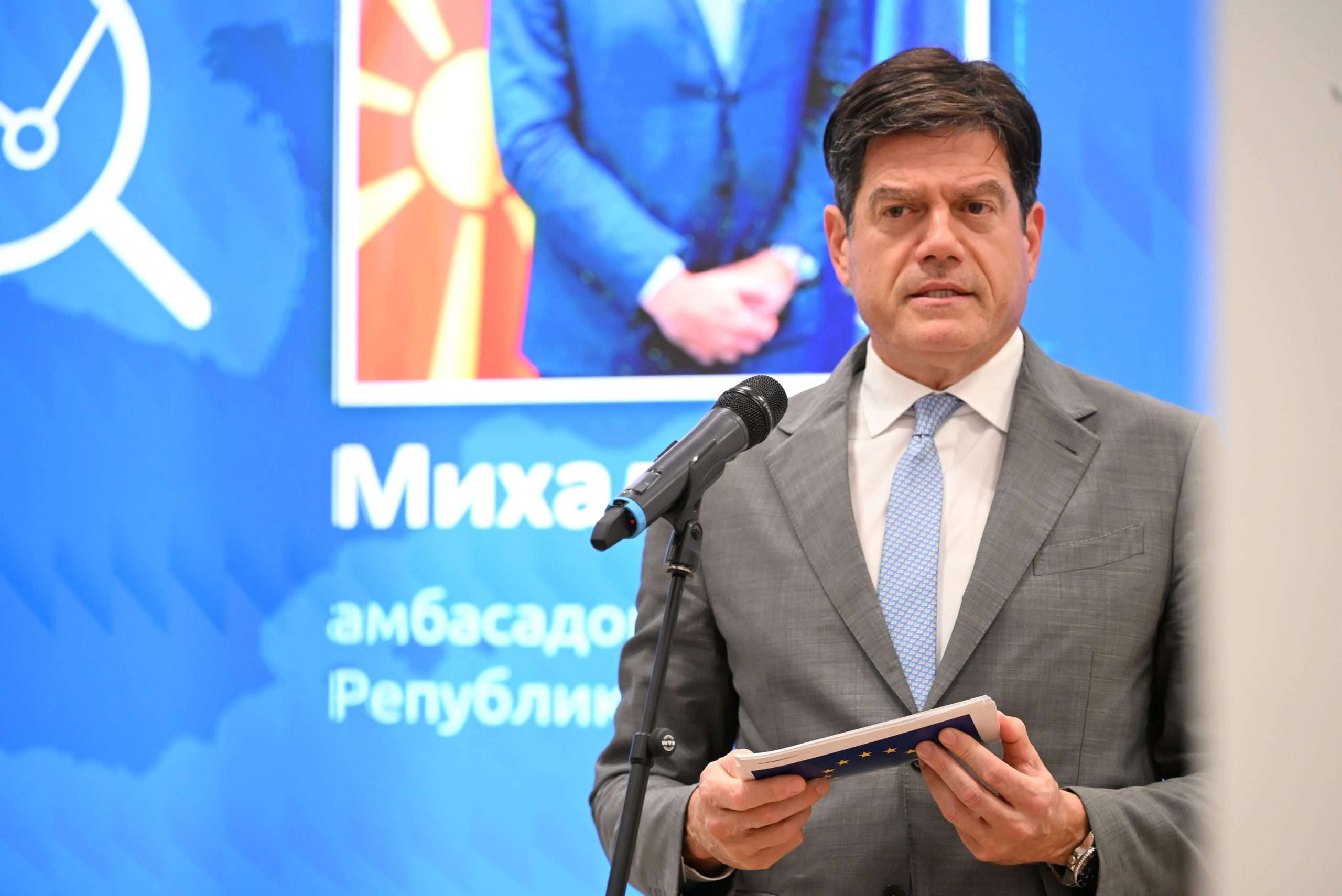
Ambassador Rokas emphasized that EU accession and economic convergence must go hand in hand, stressing that the essence of convergence lies in better jobs, stronger institutions, and a higher quality of life for citizens. He highlighted the importance of sustained reforms and tangible results from their implementation.
Brendan Ward, Ambassador of Ireland, noted that convergence in living standards is one of the most significant benefits of EU membership, highlighting the experience of Ireland, which transformed from one of the poorest EU Member States into one of the wealthiest countries in the Union.
Adriana Lavchiska emphasized that European integration should also be assessed through tangible improvements in living standards, rather than solely through formal progress in the accession process. According to Lavchiska, the data generated by Converge2EU should help institutions, Parliament, and civil society monitor progress and identify areas where additional reforms are needed.
Data That Drive Better Policies
The objective of Converge2EU is to provide continuous, comparable, and objective monitoring of the convergence of the Western Balkans toward European standards, going beyond the formal fulfillment of EU membership criteria.
Through annual reports, an interactive data platform, and analyses of alternative scenarios, the initiative contributes to evidence-based policymaking and a better understanding of economic, social, and institutional challenges.
The event also included an award ceremony for the “Young Quantitative Minds – Slavica Todorovska – Caci” competition for young researchers, supported by Stopanska banka AD Skopje. The competition aims to encourage young people to engage in research, quantitative analysis, and the use of data to examine important social and economic issues.
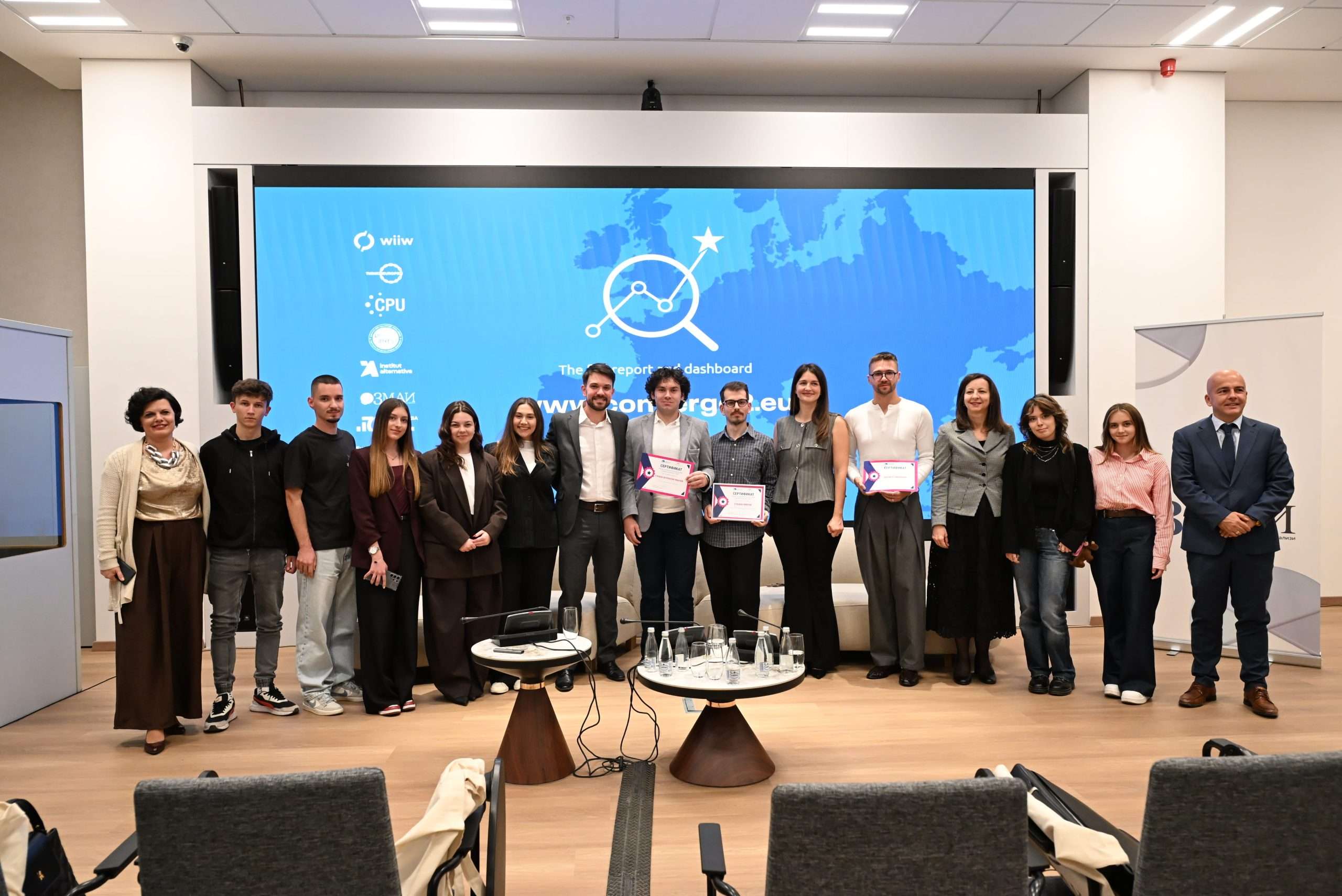
The Converge2EU initiative is implemented by the Vienna Institute for International Economic Studies (wiiw), Think Europe, and partner organizations across the Western Balkans, including ZMAI, with support from the Open Society Foundations – Western Balkans.
The full Annual Convergence Report 2026 – North Macedonia is available at the following LINK.
For more information, interactive data, and comparative analyses of the Western Balkan countries, visit www.converge2.eu
Recent Comments