
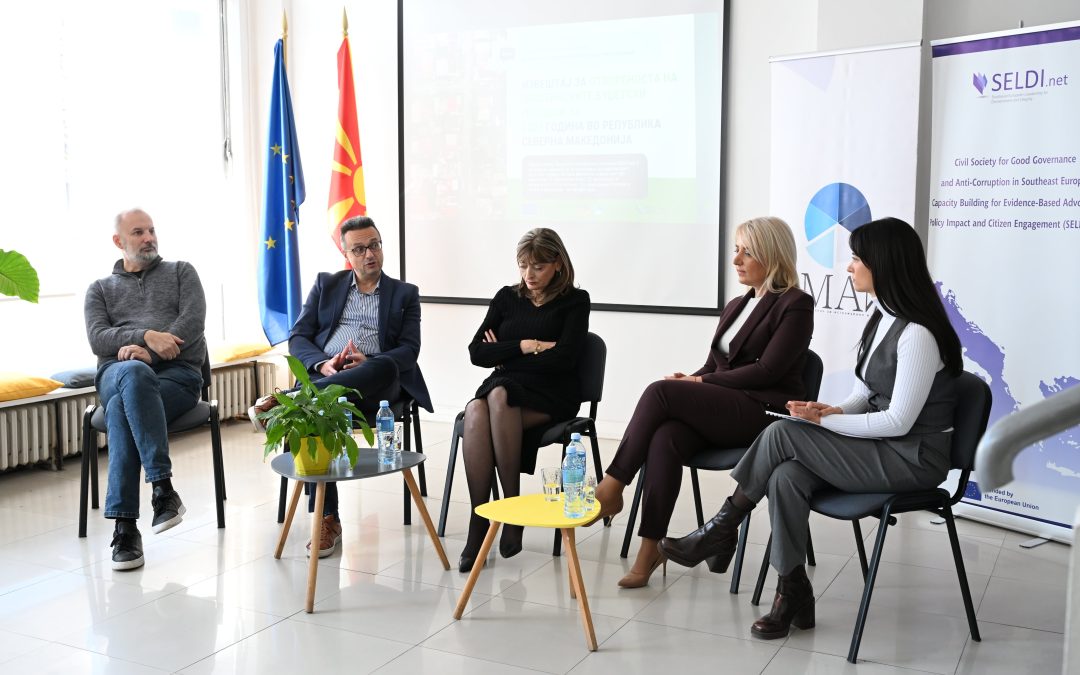
On 12 November 2025, the Association for Research and Analyses ZMAI presented the Report on the Openness of Municipal Budgetary Processes in North Macedonia and the Open Municipalities Index for 2024. From this year, the Index also includes a separate component measuring the level of anti-corruption at local level. The Index has been implemented for the fifth consecutive year and, in its latest round, covers the budgetary processes in 81 local self-government units in the country, with an average overall score of 37.7 points, indicating minimal openness of budgetary processes.
In 2024, the most open municipalities in terms of budgeting are Kriva Palanka, Aerodrom and Delchevo, which are ranked highest on the Index. The municipality of Kriva Palanka, as the top-ranked, has a score of 77.4 points and is the only municipality that falls into the group with a satisfactory level of openness, while the lowest measured score for openness is 1.7 points. Despite this, the results show that municipalities can significantly improve their anti-corruption mechanisms. According to the first measurement of the level of anti-corruption measures, only four municipalities achieve a satisfactory score, while the majority have only minimal or sufficient levels of protection against corruption risks.
At national level, the Index records a slight increase of 0.3 points compared to 2023, indicating modest but insufficient progress in the openness and transparency of local self-government. Although transparency shows the strongest growth, citizen participation and fairness remain the weakest dimension, with an average value of 20.4 points, which means that most municipalities still have a low level of interaction and systematic involvement of citizens in budgetary processes.
The event, titled “Strengthening Local Anti-Corruption Measures through Inclusive and Transparent Budgeting” and held under the motto “With Engaged Citizens towards Better Municipalities”, was organised with the support of SELDI – the regional anti-corruption network. Following the presentation of the results, a moderated discussion and Q&A session was held with representatives of institutions and civil society.
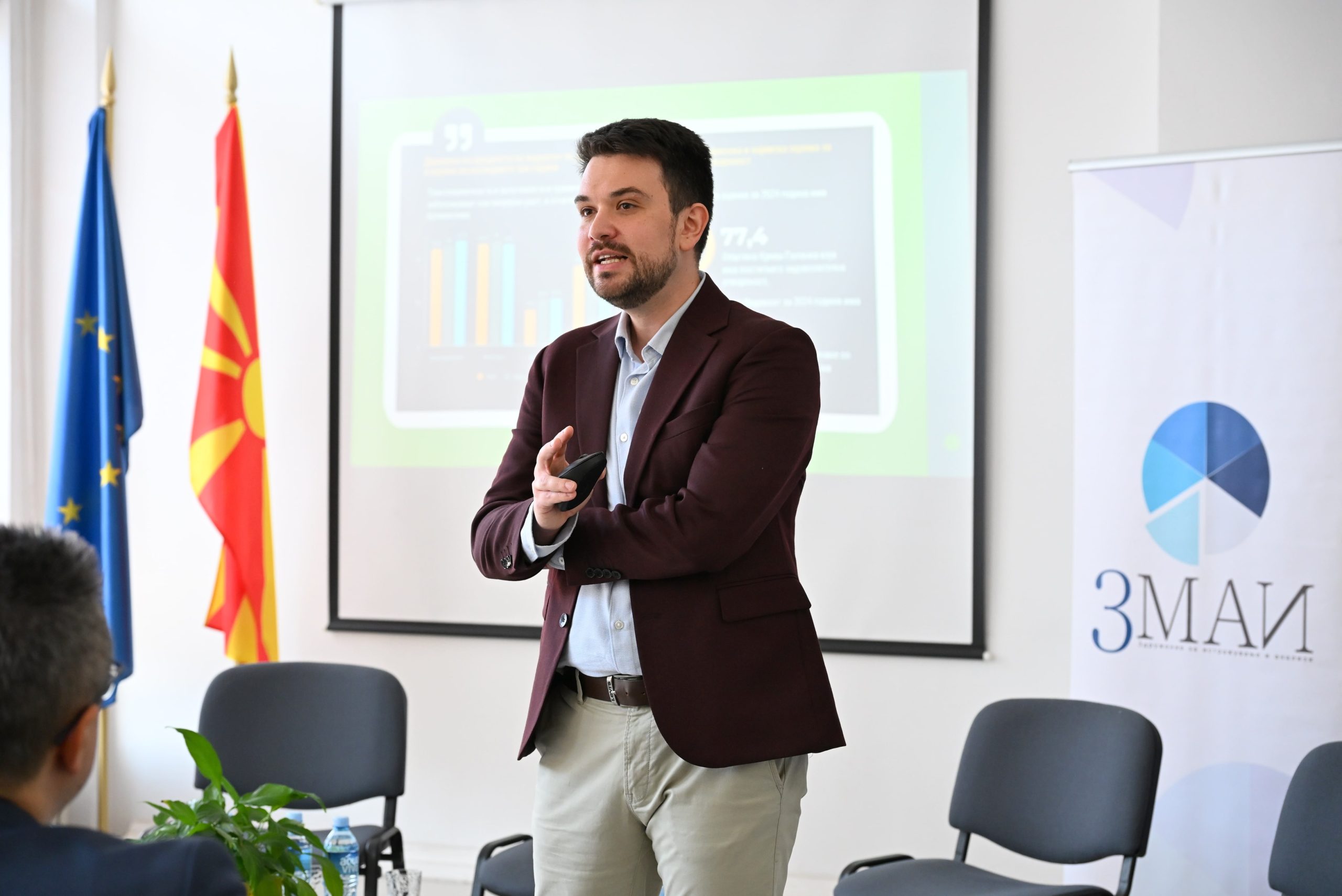
The Executive Director of ZMAI, Viktor Mitevski, underlined that it is crucial for the measurements conducted by independent expert organisations to become a basis for financing local projects by central government and international partners.
“We are witnessing that a large number of civil society organisations measure municipal processes from different angles, and at the same time we see that these measurements contribute to improving the situation. We believe that the time has come to join forces and jointly develop a unified index that can then be used systematically by institutions and by all donors working with municipalities. Although this is the first time that we are measuring the level of anti-corruption measures, it is encouraging that none of the municipalities has an unsatisfactory result. However, there is enormous room for improvement, particularly in public procurement, where competition is very low and we identified frequent procedures with only one bidder,” Mitevski stated.
He added that frequent changes to annual public procurement plans and their low implementation rate in some municipalities raise serious concerns about possible misuse. Therefore, it is necessary to establish a system in which managerial responsibility becomes a clearly defined tool through which citizens can demand responsibility and accountability from municipalities for how public funds are planned and spent.
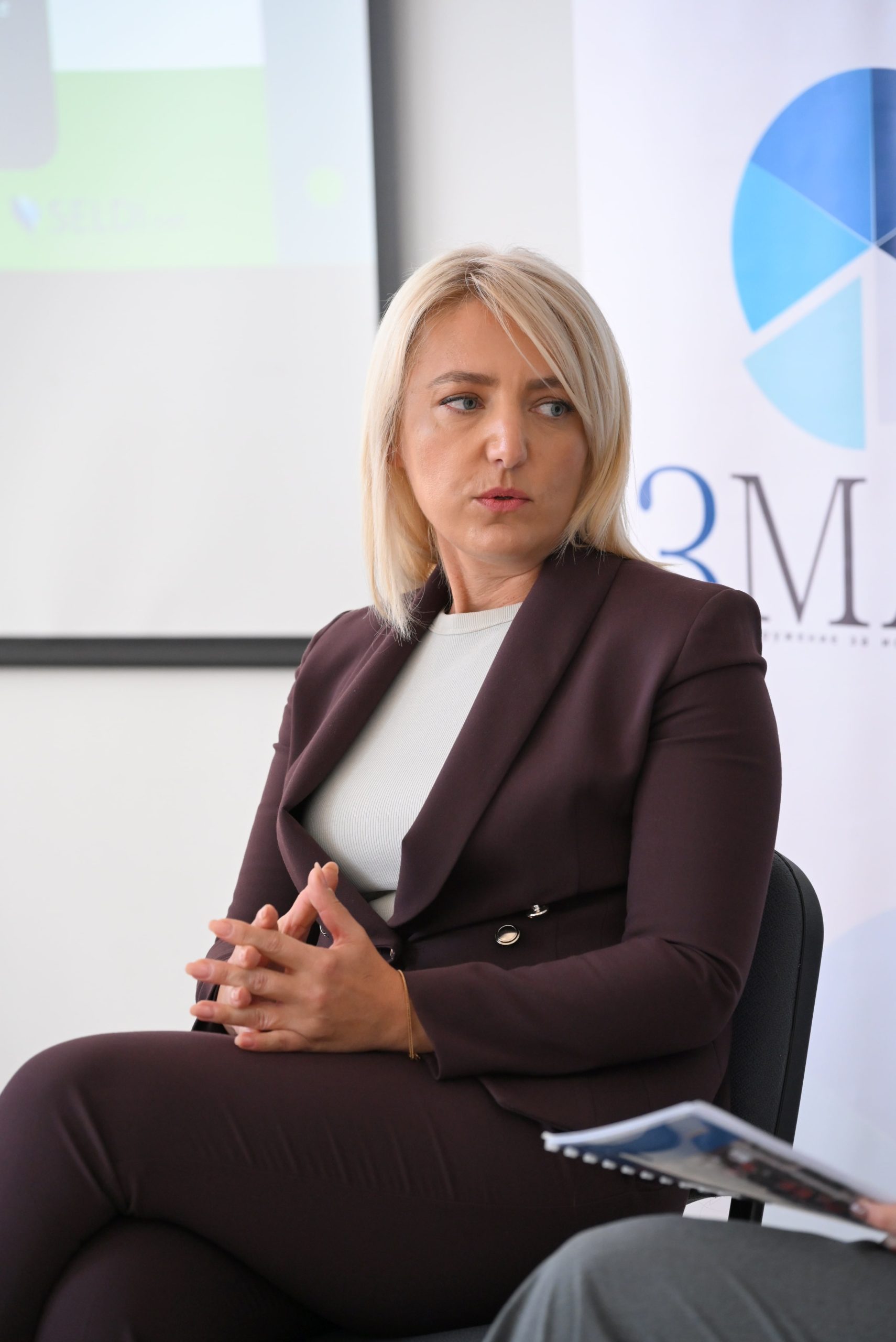
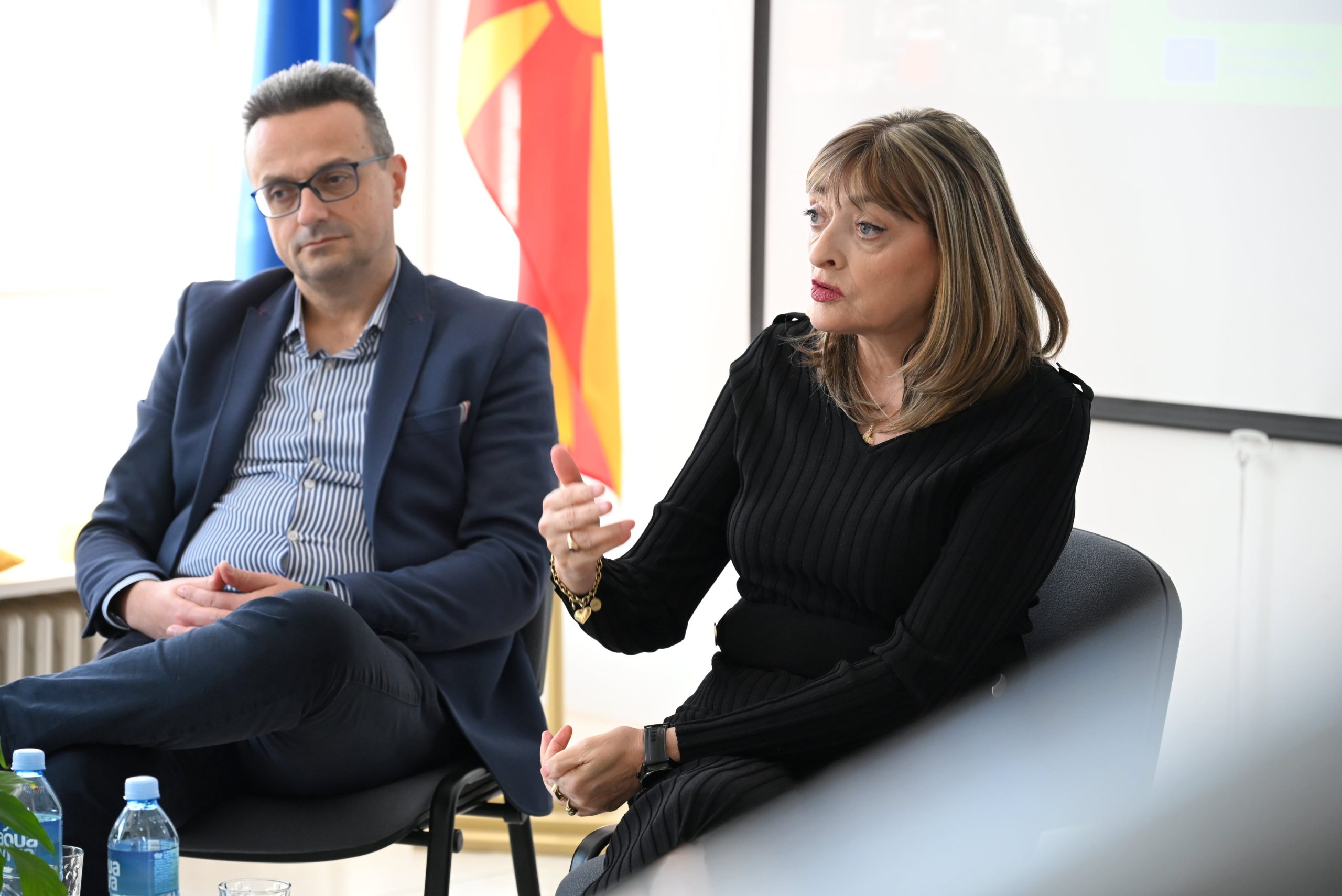
Speakers at the event also included: Dušica Perišić, Executive Director of ZELS, Julijana Pavkovska-Bocevska, State Secretary at the Ministry of Local Self-Government, Aleksandar Kržalovski, Director of the Macedonian Centre for International Cooperation (MCIC), and Aleksandar Argirovski, State Adviser at the Public Procurement Bureau.
During the panel discussion, several aspects that affect municipal performance were highlighted: the need for full digitalisation, the systematic introduction of public consultations in the budgeting process, the use of all functionalities offered by the electronic public procurement system for better planning and monitoring of procurements, as well as the improvement of the legal framework for local self-government. It was further emphasised that, although 42 per cent of municipalities publish a citizens’ budget, as many as 90 per cent still do not publish their budgetary data in open format, which seriously limits further research and the re-use of data by citizens, researchers and the media.
Representatives of civil society called for the unification of the openness index through cooperation between organisations, whereby each organisation would monitor the segment in which it has the strongest expertise. In this way, the state would obtain a comprehensive document that accurately reflects the openness of municipalities and the quality of budgeting processes and public spending.

The full report on the Open Municipalities Index for 2024 can be found at the following LINK.
The data from the Index measurement can be found at the following link: excel
This activity is implemented within the project “Strengthening Local Anti-Corruption Measures through Inclusive and Transparent Budgeting”, carried out by the Association for Research and Analyses ZMAI. The project is part of the SELDI Small Grants Programme, implemented within the framework of the project “Civil Society for Good Governance and Anti-Corruption in Southeast Europe: Building Capacity for Evidence-Based Advocacy, Policy Impact and Citizen Engagement (SELDI.net)”, funded by the European Union. This content is the sole responsibility of ZMAI and does not necessarily reflect the views of the European Union and SELDI.
Recent Comments